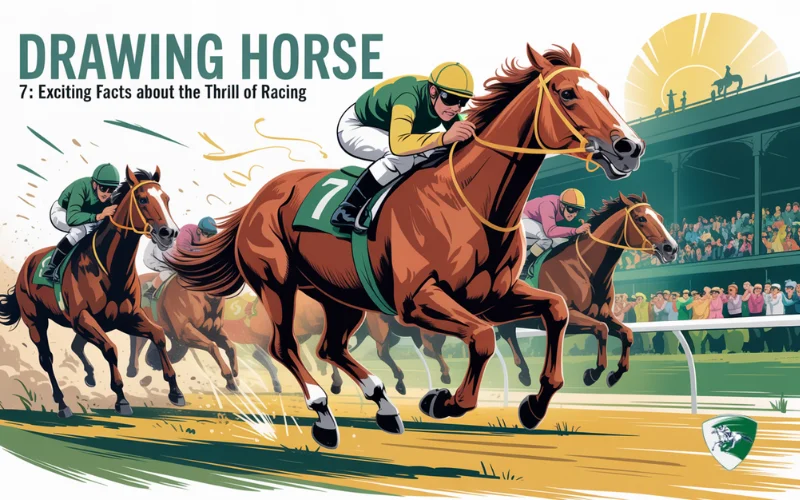
Drawing Horse Race 7 Exciting Facts About the Thrill of Racing
Horse racing has always been one of the most exhilarating sports in the world, combining speed, skill, and strategy in a single thrilling event. When people think about the excitement and elegance of racing, the idea of a drawing horse race comes to mind—an artistic and symbolic representation of the beauty and energy of horses in motion. Whether through sketches betindiaraces, paintings, or digital illustrations, drawing horse race scenes captures not only the power of the horses but also the heart-pounding atmosphere of the race itself. Here are seven exciting facts about the thrill of drawing horse race moments and why this art form continues to captivate fans around the world.
The Artistic Power Behind Drawing Horse Race Scenes
A drawing horse race is more than just an image of horses running toward the finish line. It is a vivid expression of emotion, intensity, and passion. Artists who create these drawings must understand anatomy, movement, and perspective to make each horse appear dynamic and lifelike. Capturing the rush of hooves hitting the ground, the tension between jockeys, and the crowd’s anticipation requires both technical skill and creative vision. This combination makes drawing horse race scenes a unique art form that celebrates both sport and artistry.
1. The Roots of Horse Racing Art Go Back Centuries
Long before photography existed, artists were already illustrating horse races to record historical events and royal competitions. In ancient civilizations such as Greece and Rome, horses were often drawn on pottery, walls, and manuscripts to commemorate victories in chariot races. These early forms of drawing horse race imagery laid the foundation for modern equine art. Over time, as racing evolved into an organized sport, artists continued to depict these fast-moving scenes to capture the glory and spirit of competition.
2. Drawing Horse Race Illustrations Requires Precision and Observation
Creating an accurate drawing horse race image is not as simple as sketching a running animal. Each movement of the horse—its stride, muscle tension, and balance—must be studied carefully. Professional artists often observe live races or slow-motion videos to understand how a horse moves at full speed. The correct proportions and body angles make the drawing come alive. Even the position of the jockey adds to the realism and excitement of the artwork. Attention to detail is what separates a good drawing from a truly captivating one.
3. The Emotion of Speed and Competition in Art
One of the most exciting aspects of a drawing horse race is its ability to convey emotion through lines and shading. Artists use bold strokes and dynamic composition to show the intensity of competition. The viewer can almost feel the wind, the sound of pounding hooves, and the focus of each rider striving for victory. By capturing these emotions, artists transform a simple image into an unforgettable visual story. This emotional depth is what makes drawing horse race art timeless and powerful.
4. The Role of Color and Light in Depicting Motion
While some artists prefer black and white sketches, others use color to bring their horse race drawings to life. The play of light and shadow can make a scene appear fast-paced and dramatic. Bright tones may represent a sunny race day, while deeper hues can express the suspense of a close finish. The clever use of light enhances the illusion of motion, making it feel like the horses are about to burst out of the page. This mastery of technique gives drawing horse race art its striking appeal.
5. Modern Digital Art Revives the Excitement of Horse Racing
In the modern era, technology has revolutionized how artists create drawing horse race pieces. Digital illustration tools allow them to experiment with texture, depth, and movement like never before. Artists can simulate brush strokes, lighting effects, and even animation to make their drawings appear more dynamic. Online platforms have made it easier to share and sell these artworks globally, attracting new fans who appreciate both the sport and the creativity behind it. Digital art has become a bridge between traditional racing culture and the modern visual world.
6. Drawing Horse Race Art as a Collector’s Treasure
Equestrian enthusiasts and collectors often value drawing horse race artwork because it combines sport, history, and craftsmanship. Many horse owners commission artists to create custom pieces featuring their own horses in action. These artworks become cherished keepsakes, celebrating memorable races and victories. Some collectors even see drawing horse race art as an investment, as rare or masterfully created pieces can gain value over time. Whether framed in galleries or displayed in homes, these artworks continue to represent pride, passion, and prestige.
7. The Global Appeal of Horse Racing Art
The excitement of horse racing is not limited to one country—it is a worldwide phenomenon. From the Kentucky Derby in the United States to the Royal Ascot in the United Kingdom and the Dubai World Cup, horse racing unites fans from all cultures. This global passion is reflected in the growing interest in drawing horse race art. Artists from different regions bring their own styles and traditions, creating a rich diversity of visual interpretations. Whether realistic, abstract, or digital, each artwork captures the universal thrill of racing.
The Connection Between the Artist and the Race
A drawing horse race often reflects not only the physical beauty of the horses but also the artist’s personal connection to the sport. Some artists are lifelong fans who attend races regularly, while others find inspiration in the symbolism of speed, freedom, and determination. Every stroke tells a story about dedication—both from the artist and the athletes on the track. The mutual respect between creator and subject results in a masterpiece that celebrates the shared energy of man and horse.
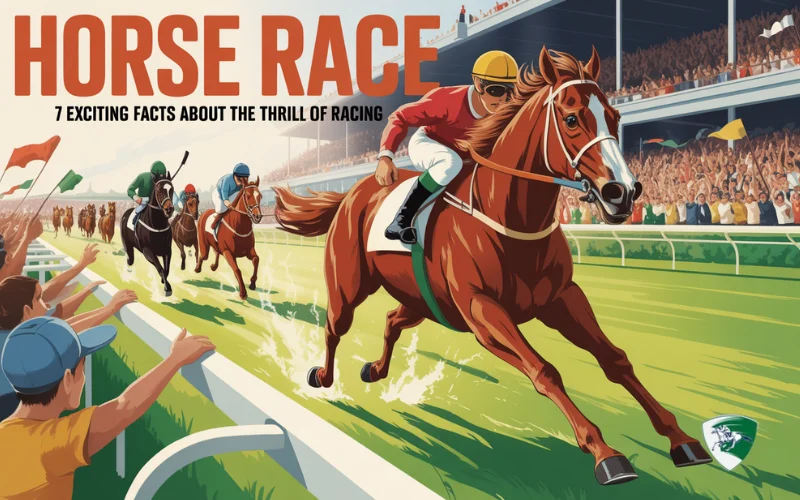
The Future of Drawing Horse Race Art
As technology and artistic techniques continue to evolve, the world of horse racing art is entering an exciting new phase. Virtual galleries, NFTs, and digital exhibitions have made it possible for drawing horse race artworks to reach audiences far beyond traditional boundaries. Artists are experimenting with 3D designs and interactive formats that allow viewers to experience the race from new perspectives. This innovation ensures that the legacy of horse racing art remains alive and inspiring for future generations.
Conclusion
The drawing horse race captures more than just a sporting event—it embodies passion, motion, and creativity in its purest form. From ancient carvings to digital masterpieces, each piece tells a story of courage, competition, and artistry. Whether you are an art lover, a racing fan, or simply someone who appreciates fine craftsmanship, the world of horse racing drawings offers endless fascination. These seven exciting facts show how this timeless art form continues to blend tradition with innovation, keeping the spirit of racing alive through every brushstroke and digital line.
By exploring and appreciating drawing horse race art, we celebrate not only the beauty of the horse but also the enduring thrill of the race itself—a timeless dance of power and grace that continues to inspire artists and audiences around the world.
